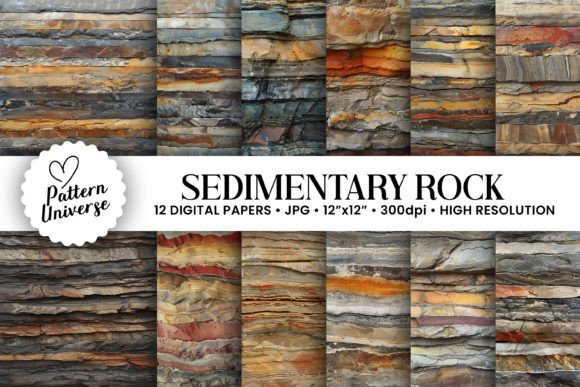
Sedimentary Rock Textur Backgrounds: Unlocking Natural Design
There’s a certain grounding quality to natural textures that digital perfection can’t replicate. The intricate layers, subtle color shifts, and organic imperfections of stone tell a story of time and pressure. Our collection of Sedimentary Rock Textur Backgrounds brings this raw, geological beauty directly into your creative toolkit. This set of 12 seamless, AI-generated patterns captures the essence of layered stone, offering a versatile foundation for projects that need an earthy, sophisticated, and tactile feel. It’s more than just a digital paper pack; it’s a starting point for building depth and character in your work.
The Visual Language of Layered Stone
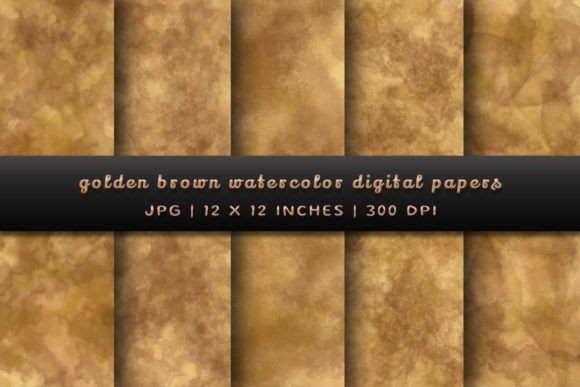
Each of the 12 patterns in this collection offers a distinct interpretation of sedimentary rock. You’ll find designs that mimic the fine, parallel striations of shale, the swirling, organic banding of sandstone, and the subtle, gritty texture of limestone. The color palettes are inherently neutral and calming, drawing from a spectrum of warm beiges, cool grays, soft taupes, and muted ochres. This isn’t a loud or demanding visual. Its personality is one of quiet strength, stability, and timeless elegance. The seamless tile format ensures that whether you’re covering a small gift tag or a full-page invitation, the pattern flows without a visible repeat, maintaining a professional and polished result.
The true appeal lies in its versatility. These textures function as a sophisticated neutral, much like a high-quality linen paper or a matte concrete finish. They provide visual interest without competing for attention, making them an ideal partner for bold typography, vibrant photography, or intricate illustrations. The overall style bridges the gap between rustic and refined, making it suitable for both organic, nature-inspired brands and sleek, contemporary design projects.
Practical Applications Across Creative Fields
For designers and entrepreneurs, the value of a good texture pack is measured in its utility. These Sedimentary Rock Textur Backgrounds are built for real-world application. Consider their use in packaging design for artisanal goods, skincare products, or gourmet foods. A subtle rock texture on a box or label immediately conveys quality, craftsmanship, and a connection to natural ingredients. It elevates the unboxing experience, adding a layer of tactile suggestion even in a digital image.
In the realm of brand identity, these textures can become a foundational element. A brand focused on wellness, architecture, outdoor adventure, or sustainable goods could use a sedimentary pattern as a consistent background for its website, social media graphics, and presentation decks. This creates a cohesive visual language that reinforces brand values of stability, authenticity, and endurance. For editorial design, think of magazine layouts, book covers, or report backgrounds where a non-distracting, textured base adds depth to text-heavy pages.
- Digital & Print Projects: Perfect for greeting cards, invitations, wedding suites, and scrapbook layouts where a natural, handmade feel is desired.
- Product Mockups: Use as a background for product photography, especially for items like pottery, jewelry, or stationery, to create a styled, on-brand scene.
- Web & UI Design: Ideal for website hero sections, blog post headers, or app backgrounds that require subtle depth without slowing down load times with heavy images.
- Small Business Marketing: Create cohesive social media posts, sale flyers, and digital ads that stand out with an organic, professional aesthetic.
Integrating Texture into Your Design Workflow
Choosing the right background is a critical step in establishing visual hierarchy. A busy, high-contrast texture can fight with your content. The strength of these sedimentary patterns is their subtlety. When paired with clean, sans-serif fonts like Helvetica or Open Sans, they create a beautiful contrast between the organic and the geometric. For a more classic feel, pairing them with a refined serif font like Garamond or Playfair Display enhances the timeless quality. Always test your text overlays for readability, ensuring sufficient contrast against the background’s tone and detail.
Evaluate the project’s personality. Is it meant to feel grounded and reliable? A warm, sandstone-inspired texture works well. Should it evoke cool, minimalist strength? A gray, slate-like pattern is your answer. The included high-resolution files (3600x3600 pixels at 300dpi) give you immense flexibility. Scale them down for a subtle hint of grain on a business card, or use them at full size for large-format prints like posters or trade show banners without any loss of quality.
From a practical standpoint, this collection is a design asset that saves time. Instead of sourcing and editing individual textures, you have a curated set of 12 cohesive patterns ready to go. They work seamlessly with most design software, from Adobe Photoshop and Illustrator to Canva and Procreate. The commercial license typically included with such digital papers allows you to use them in both personal and client projects, making them a sound investment for any creative professional’s library.
Ultimately, the goal is to use these Sedimentary Rock Textur Backgrounds to add a layer of authenticity and depth to your communication. They are a tool for storytelling, suggesting durability, nature, and a certain unpretentious elegance. By thoughtfully integrating them, you can transform a flat design into something that feels more substantial, engaging, and memorable for your audience. Thank you for stopping by and exploring the potential of this natural-inspired design resource.