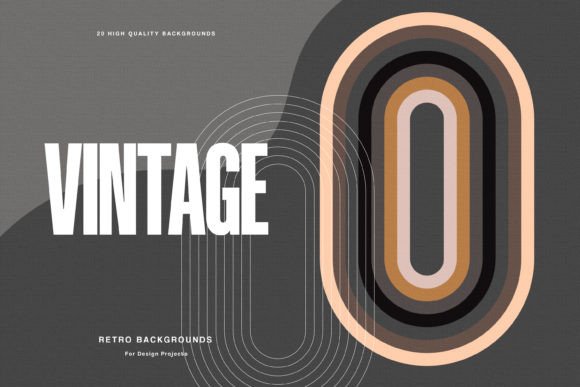
Vintage Vector Backgrounds: A Designer's Toolkit for Retro Flair
Understanding the Timeless Appeal of Vintage Aesthetics
There's a distinct power in nostalgia. It connects with us on an emotional level, evoking a sense of authenticity, craftsmanship, and story that modern, sterile designs sometimes lack. For designers, tapping into this feeling is a strategic choice. It's about more than just using an old-looking texture; it's about creating an entire mood. This is where a well-curated collection of Vintage Vector Backgrounds becomes an indispensable part of your design assets. These aren't just static images; they are foundational elements that set the stage for your entire project, offering a sophisticated backdrop that communicates character and quality from the first glance.
The specific visual language of these backgrounds—often featuring clean, geometric strip lines—draws from mid-century modern and art deco influences. The style is characterized by its orderly yet dynamic patterns, creating a sense of rhythm and movement. Unlike a distressed, grungy texture, the vector-based strip line approach offers a cleaner, more refined form of nostalgia. It suggests precision and intention, making it a versatile tool for projects ranging from elegant branding to energetic social media graphics. The personality is one of confident retro-futurism, blending the warmth of the past with a structured, graphic sensibility that feels fresh and contemporary.
Practical Applications Across the Creative Spectrum
The true value of any design asset is measured by its utility. A collection of Vintage Vector Backgrounds shines in its incredible range of applications. For entrepreneurs and small business owners building a brand identity, these backgrounds can become a core visual element. Imagine a café using a subtle, striped pattern on its menu, website header, and loyalty cards. The consistent use of this background builds immediate recognition and communicates a specific, charming aesthetic. It transforms a simple brand into a memorable experience. This is modern typography and visual strategy working in harmony; the background isn't just decoration, it's a key component of the brand's storytelling.
For marketers and content creators, these backgrounds are a secret weapon for creating scroll-stopping social media graphics. A promotional post for a sale or an event gains instant visual hierarchy and professionalism when placed against a compelling vintage vector background. It helps the main message—whether it's a bold headline or a product photo—pop with clarity. In editorial design, such as for a magazine layout or a blog feature, these patterns can create stunning section breaks, frame pull quotes, or add depth to a feature spread. They work beautifully as overlays on photography, adding a consistent color wash and texture that ties a series of images together for a cohesive look in a portfolio or presentation.
Pairing and Integration with Other Fonts
A premium font or display font is often the star of the show, but its supporting cast matters. The structured, linear nature of many vintage strip line backgrounds makes them an excellent partner for a wide variety of typefaces. They provide a busy, textured ground that allows clean, simple sans serif fonts to stand out with exceptional clarity. Conversely, they can complement the elegance of a sophisticated serif font or the personal touch of a script font, adding a layer of visual interest without competing for attention. The key is to use the background to establish the mood, then select a typeface that either echoes its era for a fully retro feel or contrasts it sharply for a more contemporary, dynamic tension. Always test your font pairing directly on the background to ensure optimal readability and visual balance.
Maximizing Impact with Vector Flexibility
The "vector" in Vintage Vector Backgrounds is the most critical technical feature. Unlike raster images that pixelate when scaled, vector graphics are built on mathematical paths. This means you can scale a single background file from the size of a business card to a massive trade show banner with zero loss of quality. This scalability is essential for maintaining professionalism across all touchpoints of a commercial font or brand project. Furthermore, vectors are inherently customizable. Using software like Adobe Illustrator or Affinity Designer, you can effortlessly change the color palette of the entire pattern to match your brand's guidelines, ensuring perfect consistency.
This customization extends beyond color. You can adjust the scale of the strip lines, alter their opacity, or even isolate specific elements to use as decorative motifs. Think about using a single stripe pattern as a subtle border on a packaging design or a simplified version as a watermark on web design elements. The collection's variety of 20 styles offers a broad palette to work with, but the real magic happens when you start mixing, layering, and modifying them. This ability to make these design assets uniquely your own is what elevates them from a simple download to a long-term creative resource, empowering you to craft a truly distinctive and professional visual identity for any project.
A Final Note on Selection and Licensing
When choosing a set of vintage backgrounds, consider the overall aesthetic cohesion of the collection. Do the styles complement each other? Can you envision them working across different projects? Review the included files to ensure they are provided in a format compatible with your workflow, typically AI, EPS, or SVG. While the visual appeal is paramount, always verify the licensing terms. For any project with commercial intent—from a client's logo design to products for sale—you must ensure you have the proper rights. A reputable source will provide clear licensing, allowing you to use these powerful tools with confidence, knowing your creative work is built on a solid and legal foundation.